
Alcohol Use Disorder
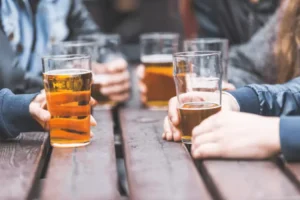
According to the American Addiction Centers (AAC), a high functioning alcoholic informally describes a person who, on the surface, appears to be able to maintain a typical functioning life while drinking excessive amounts of alcohol. The regions of the brain with the greatest decrease in activity were the prefrontal cortex and the temporal cortex. Decreased activity in the prefrontal cortex, the region responsible for decision making and rational thought, further explains why alcohol causes us to act without thinking. The prefrontal cortex also plays a role in preventing aggressive behavior, so this might help explain the relationship between alcohol and violence (see my last post). The temporal cortex houses the hippocampus, the brain region responsible for forming new memories.
- Other intrapersonal skills that may be taught include coping with anger or with negative thoughts (see Kadden et al. [1992] for techniques related to coping with depressed moods).
- Department of Agriculture Dietary Guidelines for Americans, moderate drinking is up to one drink per day for women and up to two drinks per day for men.
- A subgroup of these behaviors are considered “executive functions” (Oscar-Berman et al. 2004).
- Acamprosate is thought to work by reducing symptoms, such as anxiety and insomnia, that may follow lengthy abstinence.
The psychology behind the allure of alcohol advertising.
That all regional volume deficits observed were bilateral provided no evidence for the right hemisphere hypothesis of alcoholism. Available evidence suggests that alcohol3 initially potentiates GABA’s effects (i.e., it increases inhibition, and often the brain becomes mildly sedated). However, over time, prolonged, excessive alcohol consumption reduces the number of GABA receptors.
The behavioural cycle of addiction
These comparisons were the basis for testing whether the two alcoholic groups differed in deficit pattern or, alternatively, in deficit severity. MRI techniques have greatly influenced the field of brain imaging because they allow noninvasive measurement of both the anatomy (using structural MRI) and the functioning (using functional magnetic resonance imaging [fMRI], described below) of the brain with great precision. Structural MRI scans are based on the observation that the protons derived from hydrogen atoms, which are richly represented in the body because of its high water content, can be aligned by a magnetic field like small compass needles. When pulses are emitted at a particular frequency, the protons briefly switch their alignment and “relax” back into their original state at slightly different times in different types of tissue. The signals they emit are detected by the scanner and converted into highly precise images of the tissue.
Check your symptoms
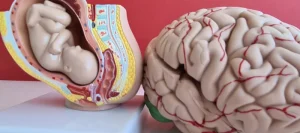
Treatment interventions teach clients the skills they need to confront or avoid everyday situations that may lead to drinking. The picture of someone struggling with alcohol abuse disorder is often one where people struggle to live life normally as they battle a dependency on alcohol. For many people struggling with addiction this is true, but for someone with functioning alcoholism this isn’t the case.
- You can’t understand how functional alcoholism works without studying a bit of genetics.
- Event-related potentials are obtained by averaging EEG voltage changes that are time-locked to the presentation of a stimulus such as a tone, image, or word.
- These approaches make use of learning techniques (e.g., repeated practice, modeling, and reinforcement) to modify the client’s behavior, thoughts, and feelings.
- Changes in other neurotransmitters such as acetylcholine have been less consistently defined.
- However, because no single approach has been found effective for most alcoholics, patient-treatment matching (see sidebar) has received increased attention as a way of improving treatment effectiveness.
The Stages of Alcoholism: Understanding the Journey from Alcohol Use to Alcohol Use Disorder
Ethanol’s actions on these channels were not defined until the mid 1990s (e.g., Dopico et al. 1996). Provision of this wide range of services requires that several specialized program elements be in place and necessitates considerable organization on the part of treatment staff to ensure that each client receives a coordinated package of services that will meet his or her particular needs. As with anyone who’s struggling with an alcohol dependency, acceptance is an initial but significant step. From here, there are many things you can do to help get you on a path to recovery.

From Functioning to Flourishing: Recovery Stories of Former Functioning Alcoholics
Age, family history, and how much or how often an individual drinks are other important variables when considering someone’s relationship with alcohol. In addition to ongoing mental health support, enhancing an individual’s “recovery resources” is also important. Providing education, job training and employment connections, supportive housing, physical activity, high functioning alcoholic and social integration in families and the community can all help individuals stay in remission. Research in animals shows that having more self-determination and control over one’s environment can help facilitate adaptive brain changes after ending substance use. A few empirically validated practices can help identify strong treatment programs.

These studies initiated exploration of ethanol’s actions on ion channels, which has become central to the neurobiology of alcohol. One prescient study by Davidoff (1973) found that ethanol enhanced neurotransmission using the neurotransmitter γ-aminobutyric acid (GABA) in the spinal cord. This was ignored until the mid-1980s (e.g., Allan and Harris 1986), but since then, GABA receptors have emerged as a major target of ethanol’s actions and continue to be an area of intense research interest (Kumar et al. 2009). Through a gradual application of this process, the client is made increasingly aware of problems that he or she may have been ignoring; through this awareness, the client is brought to the point of accepting the need for change and then to formulating a strategy for making behavior changes. Subsequent checkup visits may be used to maintain the client’s motivation and to determine whether the client has followed through with agreed-upon change strategies.
We are more likely to repeat behaviours that are fun (such as eating and sex). This function of the brain makes relapse more likely, although people have good intentions to stop using it. Despite gaining insight into which brain regions were less active, we still had no mechanism that could explain why alcohol was reducing these brain functions. 1Alcohol dependence, also known as alcoholism, is characterized by a craving for alcohol, possible physical dependence on alcohol, an inability to control one’s drinking on any given occasion, and an increasing tolerance to alcohol’s effects (American Psychiatric Association [APA] 1994). ” self-assessment below if you think you or someone you love might be struggling with an alcohol use disorder (AUD).